Home » Uncategorized » Lace that comes from the sea
The sun is painted on the horizon, and the sea is gently rippled by the morning breeze. On the sand, a young woman watches her betrothed sail away in a small boat. Out at sea, the song of a siren envelops him. A tempting melody, but the young fisherman thinks only of his beloved. At this display of love, the siren strikes the water with her tail, and the burst of foam becomes a precious bridal veil. At nightfall, the young fisherman returns and presents his beloved with this marvelous lace, a jewel born from the sea, symbolizing the strength of their union. Since then, the hands of lacemakers have strived to reproduce this jewel born of the sea.
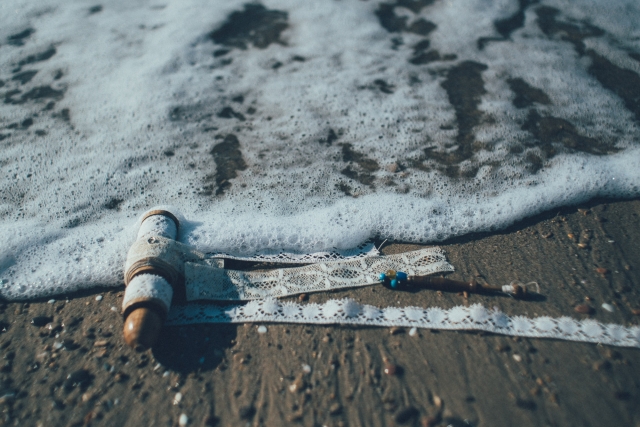
The sea inspires many folk legends related to the world of lace, such as this one about the fisherman from Burano in Veneto. Indeed, the sea has always been linked to the world of lace. We see evocative names for lace such as Calais, Burano, and Camariñas.
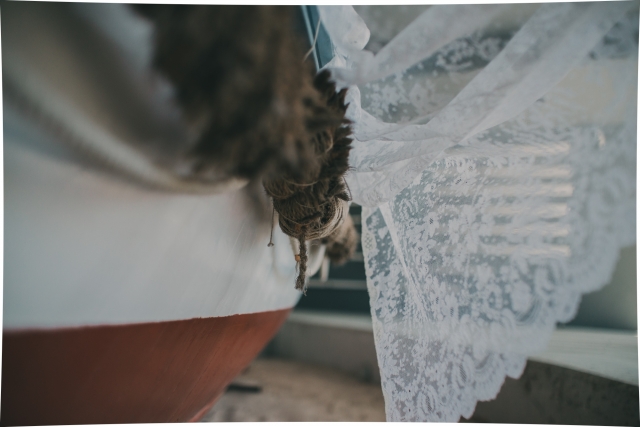
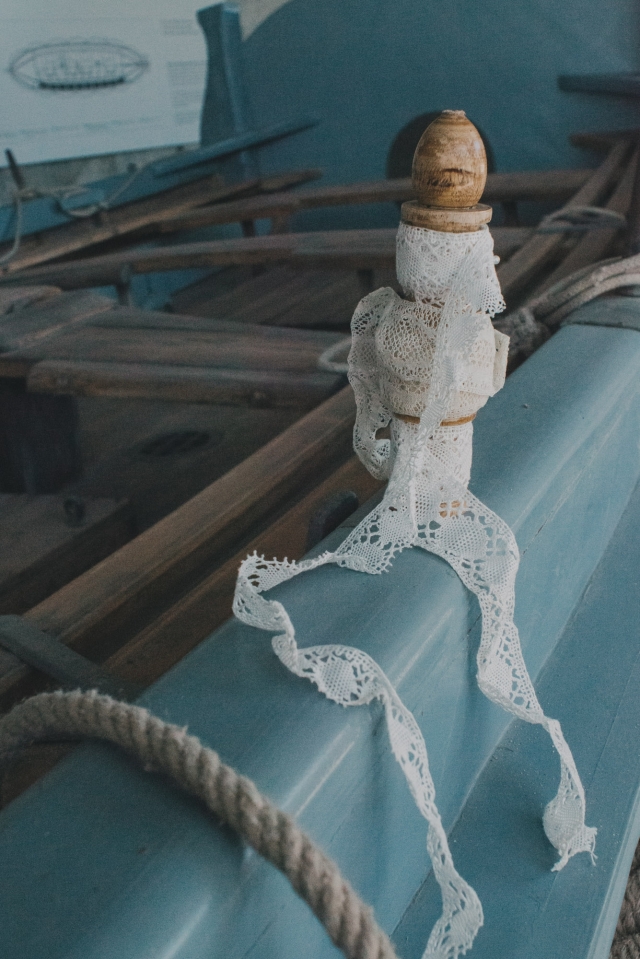
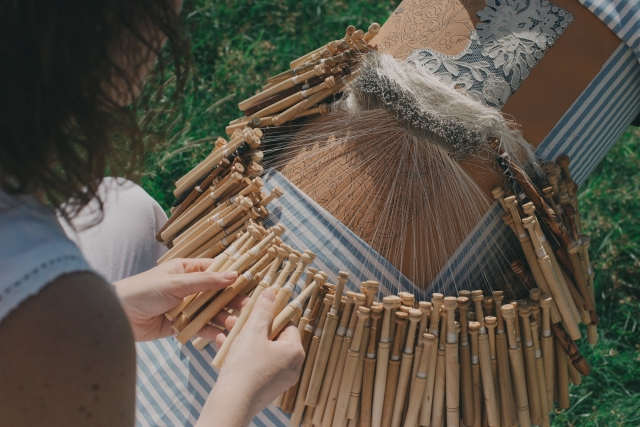
These coastal towns were the site of the first maritime trade in lace, prized like jewels in ancient times. It is there that the tradition of hand-laid bobbin lace still survives, and the crisp sound of the bobbins echoes through the streets.
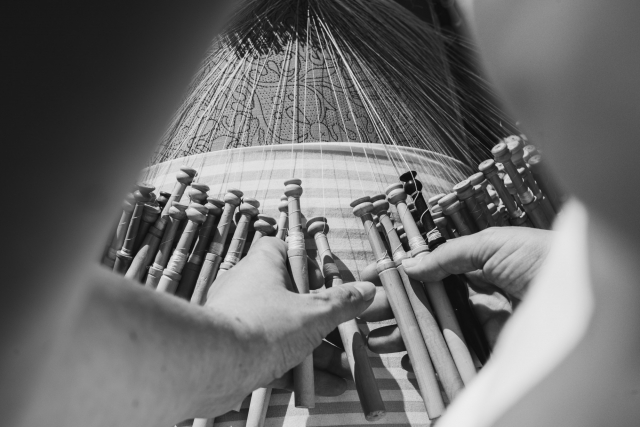
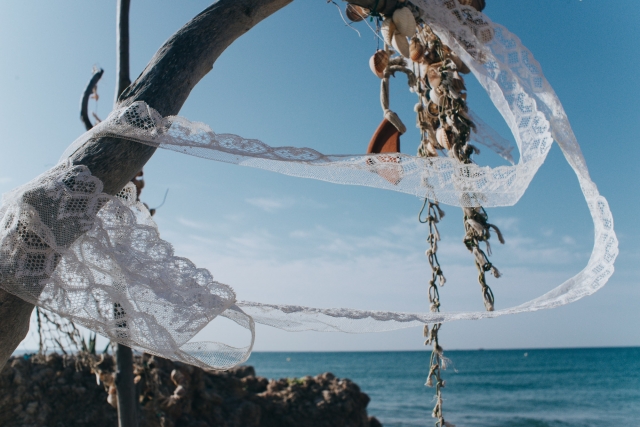
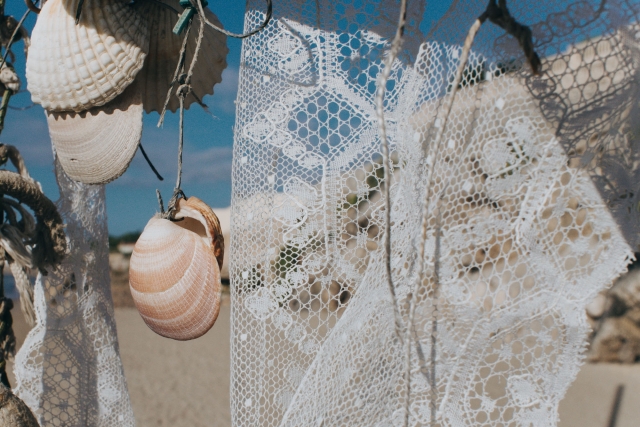
Many of the motifs that inspire lace come from the marine world (seaweed, coral) which have been stylized and geometricized over time. The “point d’esprit” or plumetti of the Catalan Ret-fi, or the lace of Arenys de Mar in the Maresme region, subtly evokes sea foam.
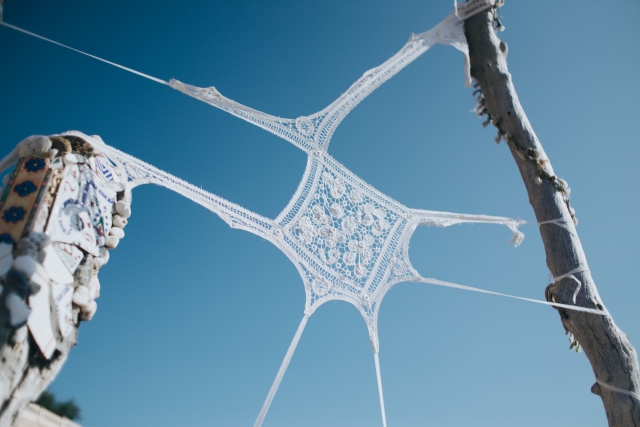
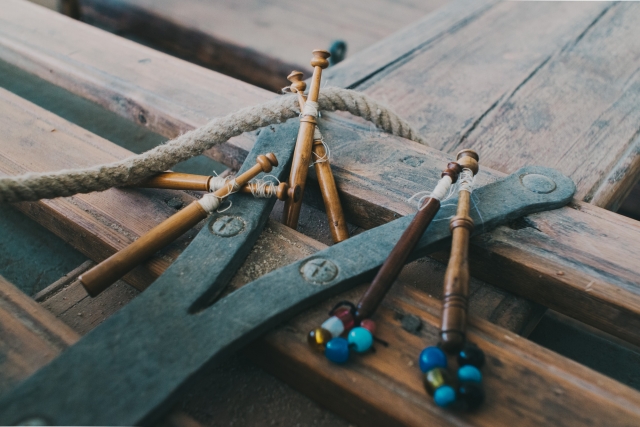
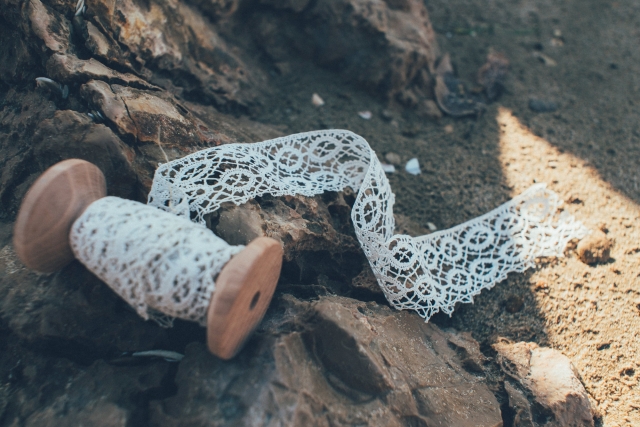
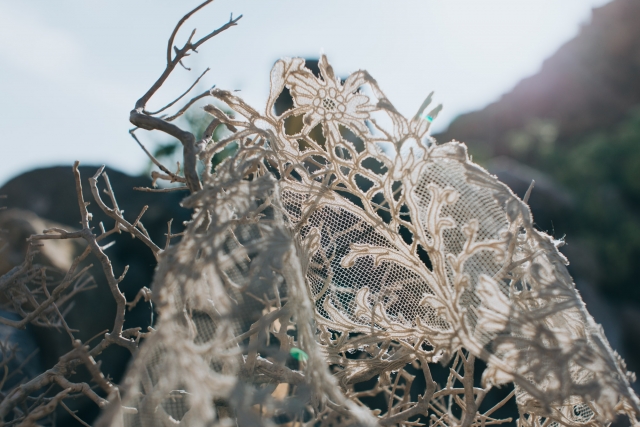
Photos: Genia Valla.
Thanks to Aida Pou, lace maker, to the Museu d’Arenys de Mar for the documentation and to the Espair Far de Vilanova i la Geltrú,

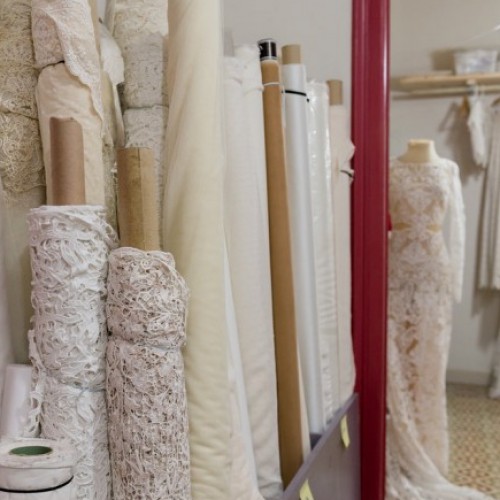

The sun is painted on the horizon, and the sea is gently rippled by the morning breeze. On the sand, a young woman watches her betrothed sail away in a small boat. Out at sea, the song of a siren envelops him. A tempting melody, but the young fisherman thinks only of his beloved. At this display of love, the siren strikes the water with her tail, and the burst of foam becomes a precious bridal veil. At nightfall, the young fisherman returns and presents his beloved with this marvelous lace, a jewel born from the sea, symbolizing the strength of their union. Since then, the hands of lacemakers have strived to reproduce this jewel born of the sea.
The sea inspires many folk legends related to the world of lace, such as this one about the fisherman from Burano in Veneto. Indeed, the sea has always been linked to the world of lace. We see evocative names for lace such as Calais, Burano, and Camariñas.
These coastal towns were the site of the first maritime trade in lace, prized like jewels in ancient times. It is there that the tradition of hand-laid bobbin lace still survives, and the crisp sound of the bobbins echoes through the streets.
Many of the motifs that inspire lace come from the marine world (seaweed, coral) which have been stylized and geometricized over time. The “point d’esprit” or plumetti of the Catalan Ret-fi, or the lace of Arenys de Mar in the Maresme region, subtly evokes sea foam.
Photos: Genia Valla.
Thanks to Aida Pou, lace maker, to the Museu d’Arenys de Mar for the documentation and to the Espair Far de Vilanova i la Geltrú,